Chemistry Club
The WSU Chemistry Club has had another great year facilitating outreach activities for our local and regional communities. Highlights include volunteering at Chemistry Olympiad and Kids Science and Engineering Day (KSED) at WSU.
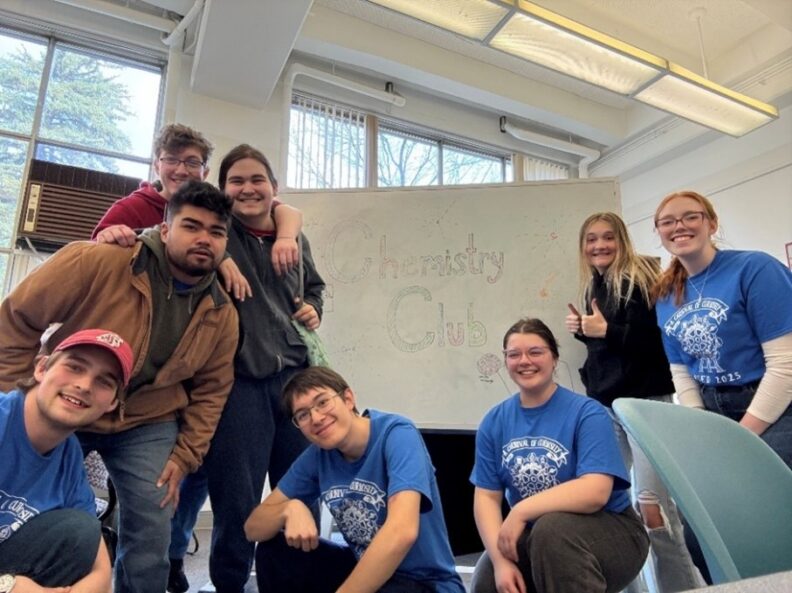
The Chemistry Club also provides activities for WSU students. The Chemistry Club, in conjunction with the Undergraduate Research Club, hosted a Showcase for Undergraduate Research and Creative Activities (SURCA) Prep Night to help undergraduate students prepare to present their research. Other activities included hosting a group tour of the WSU Nuclear Reactor facility, creating liquid nitrogen ice cream, and helping Teaching Assistant Professor Finnegan with Halloween reaction demonstrations in the general chemistry courses.
Chem Club Officers:
- President – Molly Lauby
- Vice President – Elliot Winskill
- Treasurer – Aidan Kelting
- Secretary – Nate Hille
- Social Media Manager – Molly Morris
- Head of Demonstrations – Thomas Cline
Graduate Chemistry Society (GCS)
The 2024–25 academic year was an active and exciting one for the Graduate Chemistry Society (GCS). At the beginning of the year, GCS committed itself to one major goal: whole-department community. This was kicked off by a departmental BBQ at the beginning of the fall semester and carried through the rest of the year with several events, like monthly coffee hours, poster presentations, apple picking, and even a departmental bowling night to cap off the spring semester.
GCS has also recognized two key focus areas moving forward: All graduate students should be able to present their research in professional settings, and the future of chemistry starts at the undergraduate level. GCS will continue to embrace these ideals by ensuring travel funding for graduate students and engaging undergraduate chemistry students in GCS events.
We thank the entire chemistry community for their support and involvement over the last calendar year, and an extra special thanks to the 2024–25 Chair Cliff Berkman for his steadfast commitment to student support and academic endeavors.
We look forward to seeing our community continue to grow, and we can’t wait to see what’s next for our students, faculty, and staff.
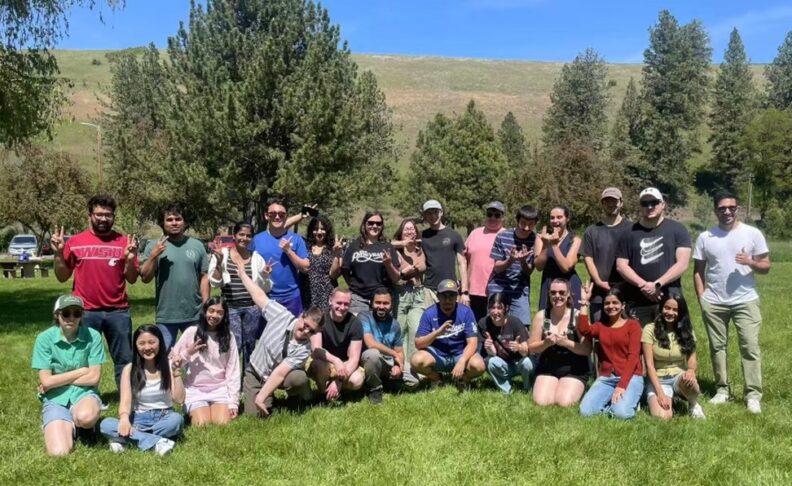
Your 2024–25 GCS officers:
2025 Three Minute Thesis Winner
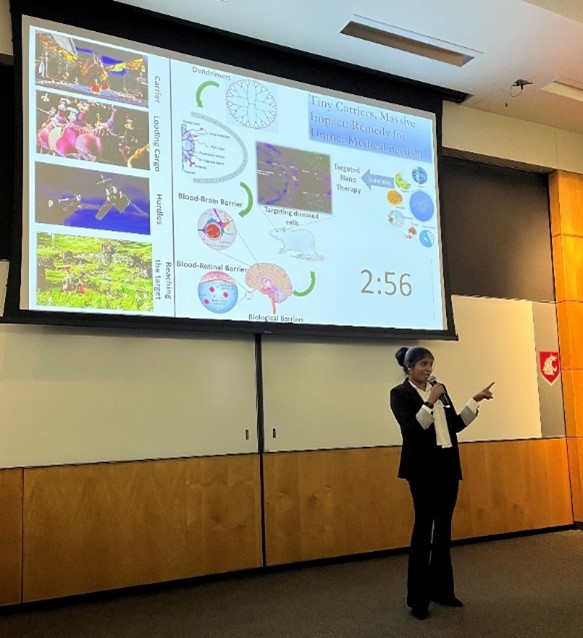
Congratulations to our PhD student, Shamila Gopalakrishnan, the 2025 Three Minute Thesis first place qualifier winner, with her hypothesis “Tiny Carriers, Massive Impact: Remedy for Unmet Medical Needs”!
Chemical Olympiad
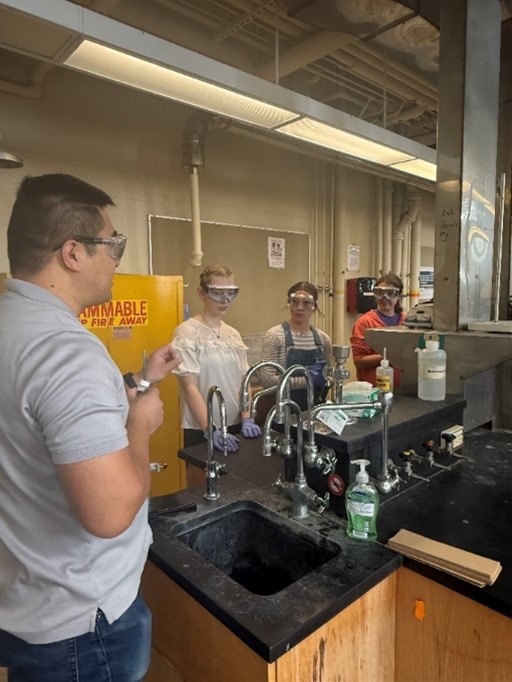
American Chemical Society (ACS) Chemical Olympiad Highlights—February 2025 The 2025 Chemical Olympiad took place on February 22 at Washington State University, bringing together nearly 50 enthusiastic students for a day of hands-on chemistry challenges and friendly competition. Participants included 18 students from Pullman High School, 20 from Moscow High School, and 8 from St. Mary’s School. Both lab rooms buzzed with energy as students explored, experimented, and showcased their chemistry skills in a fun and collaborative environment.
Students engaged in three exciting experiments: Glow Stick Chemistry, Bouncy Ball Synthesis, and Silver and Golden Coins.
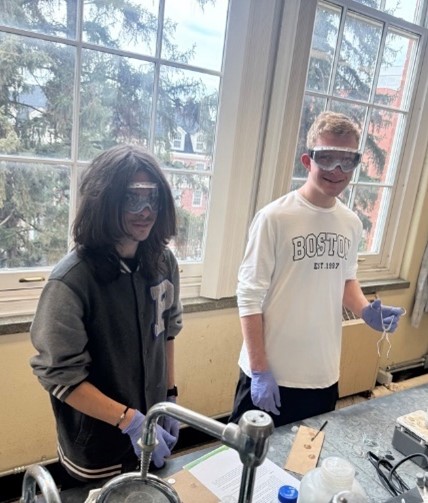
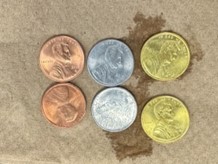
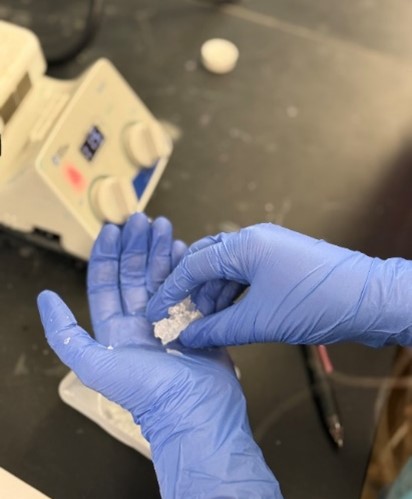
Numerous prizes were awarded, with ACS hoodies being the most coveted among participants. Two students qualified to compete in the National Chemistry Olympiad Exam, representing the region at the national level.
Two students qualified to compete in the National Chemistry Olympiad Exam, representing the region at the national level.
This event was proudly organized by the ACS Washington-Idaho Border Section, supported by the chemistry departments of Washington State University and the University of Idaho.
2025 Visitation Weekend
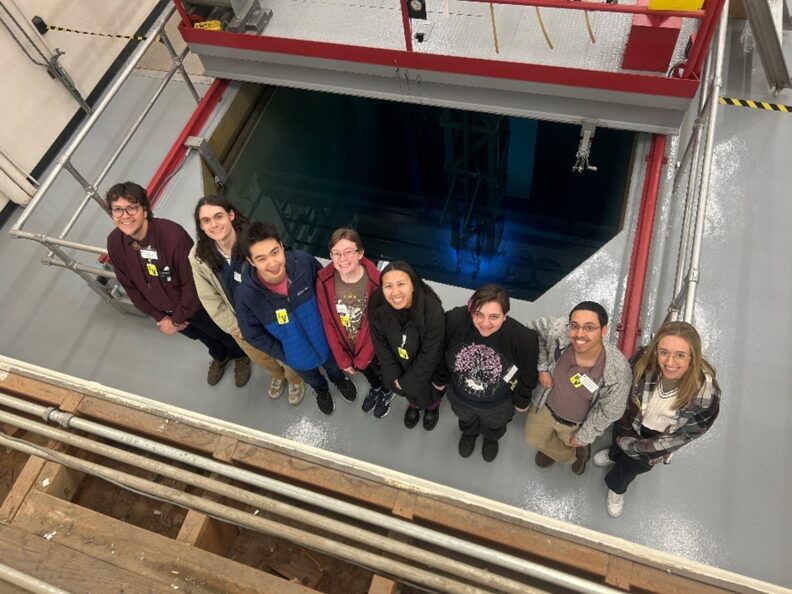
From March 28–30, 2025, the Department of Chemistry welcomed 10 applicants to campus for our annual visitation weekend—a fun, fast-paced showcase of the best WSU has to offer. We are excited to share that six of these visitors have chosen WSU as their future home for their Chemistry PhD program. Pictured are our guests touring the Dodgen Research Facility, one of many highlights during their visit.
Chemistry Merit Badge
On April 12, we had an exciting outreach event on campus for our local community. Over 50 local boys and girls from Ritzville to Lewiston to Moscow participated in the first Scouting America (SA) Merit Badge University at WSU.
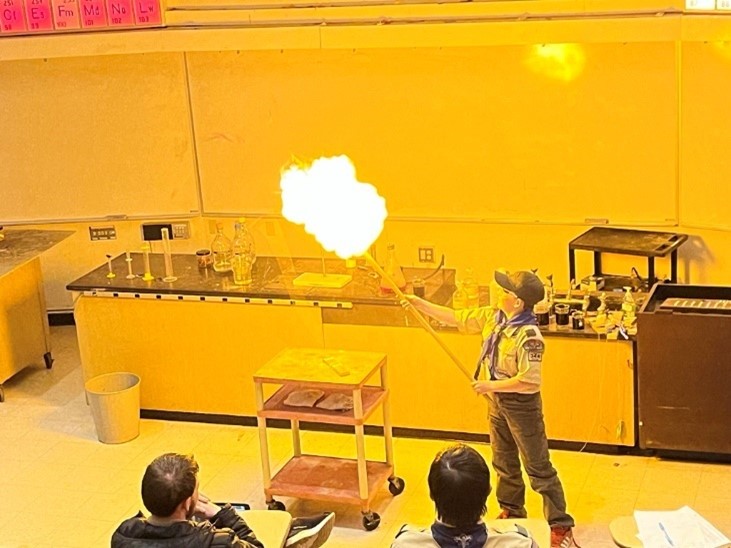
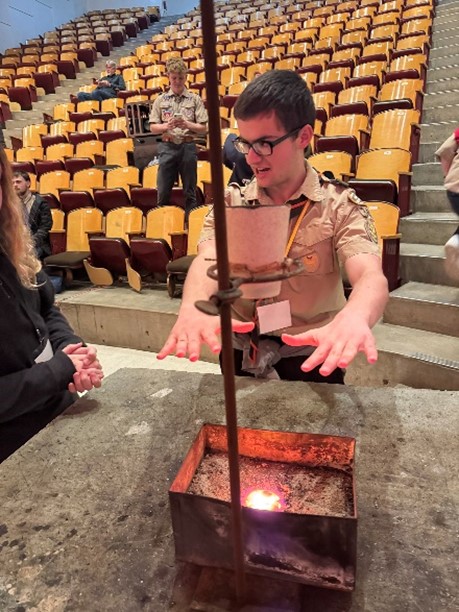
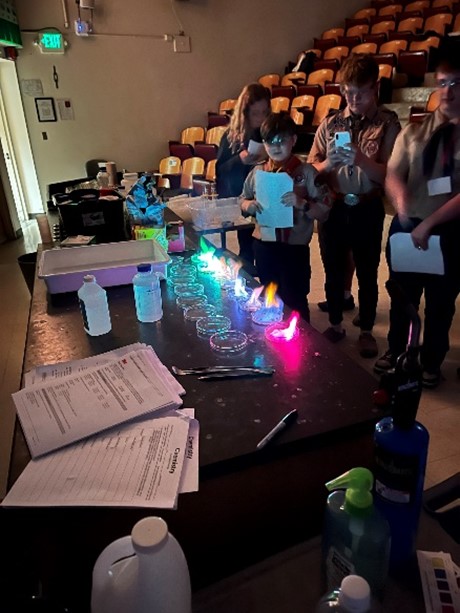
Organized by the School of Mechanical and Materials Engineering (MME) and the Department of Chemistry, with participation from the Nuclear Science Center and other engineering departments, we offered nine merit badges in two 4-hour blocks: architecture, landscape architecture, surveying, chemistry, nuclear science, and from MME: robotics, engineering, composite materials, and drafting. It was a fun event with scouts from age 12–17, some of which will surely come to WSU for college after this event. Huge thanks to the instructors. It was a great success, and there are plans to repeat this twice a year for our local community in the inland northwest, potentially with additional class offerings.
WSU Research Sheds Light on Exotic High-Valent Lanthanide Chemistry
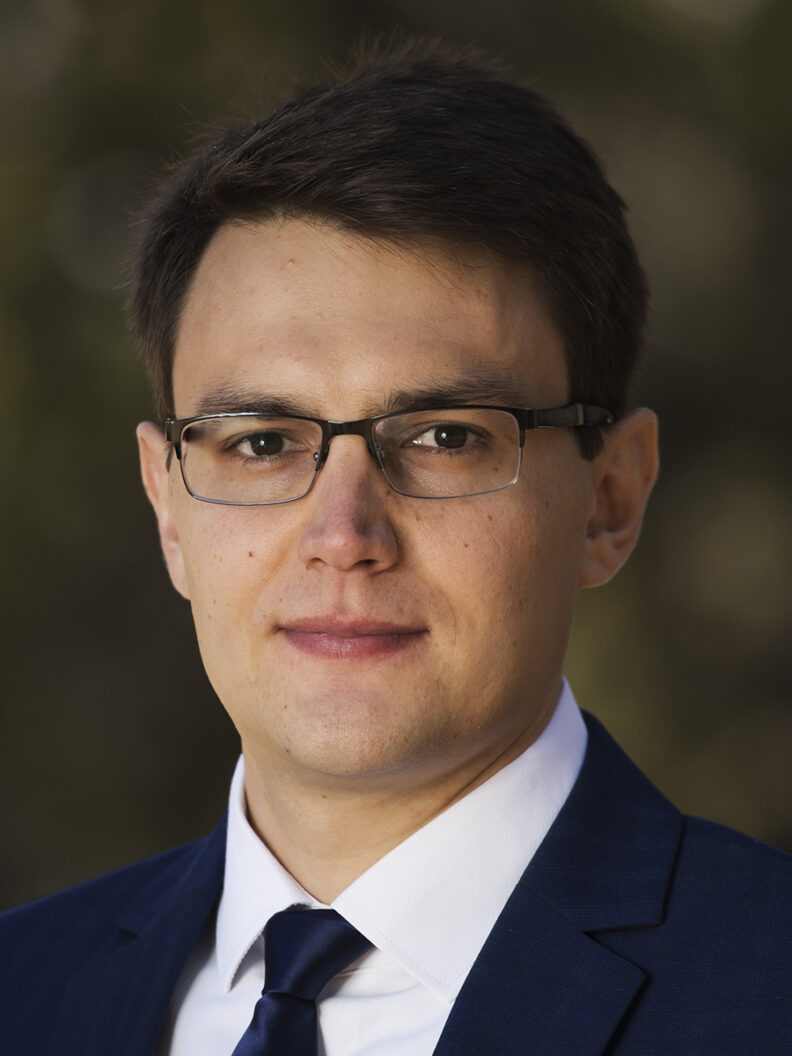
A collaborative study, recently accepted for publication in Nature Chemistry, presents groundbreaking research on the first molecular praseodymium complex in the formal +5 oxidation state. This discovery, achieved through joint experimental and theoretical efforts, establishes a long-sought connection between the redox chemistry of lanthanides, transition metals, and actinides.
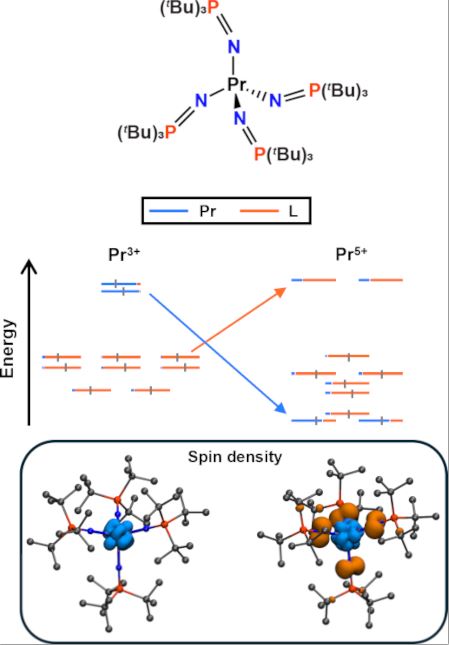
As part of this collaboration, Professor Ivan Popov from the Department of Chemistry at WSU, performed theoretical calculations, using advanced quantum chemical methods to uncover key electronic properties of the Pr5+ complex. His calculations reveal the presence of an inverted ligand field—an unusual electronic configuration where the lowest unoccupied molecular orbitals are predominantly ligand-based rather than metal-centered. This finding challenges conventional oxidation state descriptions and links high-valent lanthanide chemistry to transition-metal systems with similar electronic behavior.
Computational results indicate a singlet ground state with significant multiconfigurational character in [Pr5+(NPtBu₃)₄]+ (tBu = C(CH3)3), where occupied metal-dominant orbitals (avg. %Pr = 69.9) reside at lower energies than ligand-dominant ones. Unlike the classic ligand field observed in the previously reported Pr3+ and Pr4+ imidophosphorane complexes, the antibonding orbitals in Pr5+ exhibit greater ligand contributions (avg. %ligand = 74.5). Additionally, a notable spin density on the Pr center is counterbalanced by the four nitrogen atoms, further supporting the unique electronic structure and redox properties of early lanthanides (see Figure).
By combining experimental results with advanced computational modeling, this study underscores the vital role of theoretical chemistry in unraveling the complex electronic structures of f-block compounds and establishes a key connection in understanding the bonding of high-valent metal complexes across the periodic table.
Dr. Popov’s research in computational modeling of heavy element compounds began during his time as a J. R. Oppenheimer Distinguished Postdoctoral Fellow in the Theoretical Division at Los Alamos National Laboratory. He began his independent career as an assistant professor at the University of Akron in 2021, spending three years there before joining the Department of Chemistry at Washington State University. In addition to his work on high-valent lanthanides, his research focuses on modeling actinide compounds in extreme oxidation states and transuranic hydrides. His actinide research is supported by the National Nuclear Security Administration (NNSA) of the Department of Energy (DOE) through the Transuranic Chemistry Center of Research Excellence (TRUCoRE) (TRUCoRE website).
2025 National Goldwater Scholar
Undergrad Joan “Jo” Castaneda Gonzalez, a chemistry major from Dr. Anjali Sharma’s Lab, is one of two students named recipient of prestigious and nationally competitive Barry M. Goldwater Scholarship.
WSU Insider – Two WSU STEM Students Are Named National Goldwater Scholars
Anjali Sharma Received Two NIH Awards
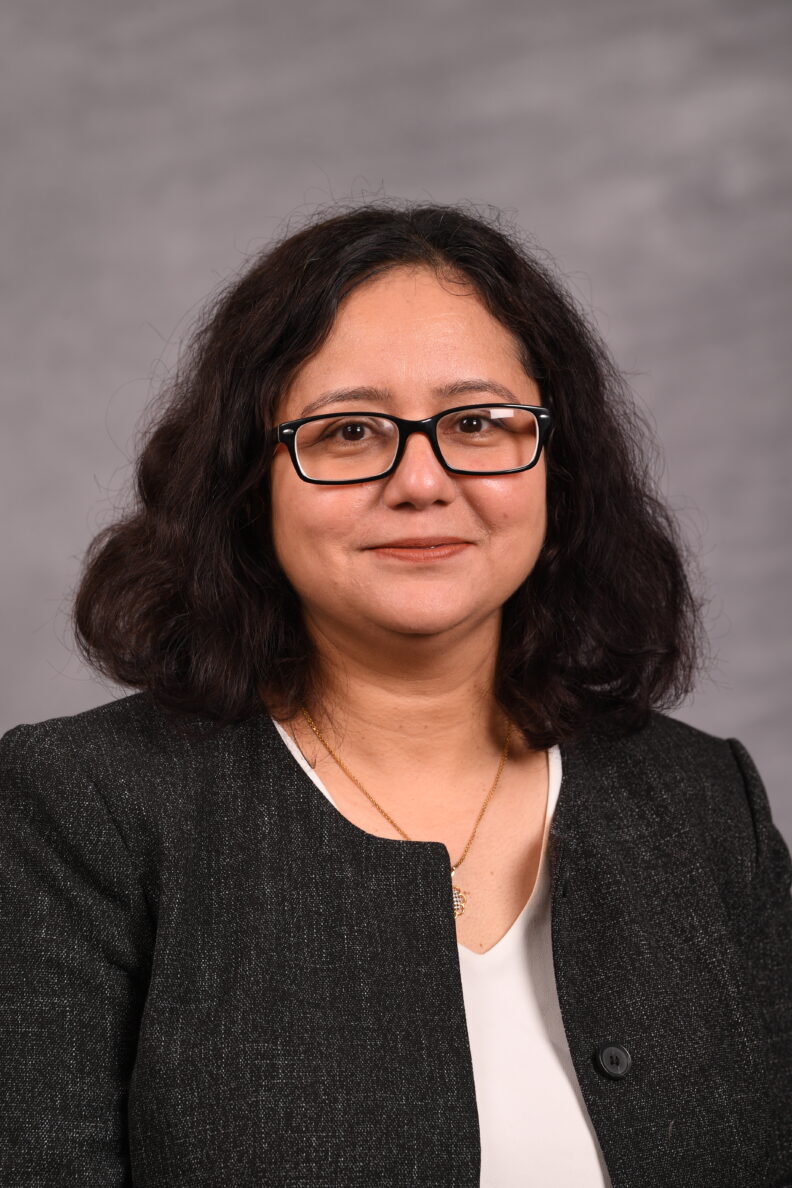
In 2024, Dr. Sharma was featured as “Emerging Faculty” by WSU Office of Research as research to watch. At the end of summer 2025, Dr. Sharma announced the launch of two new 5-year National Institutes of Health (NIH) R01 awards (each $2.7 million), marking a significant milestone for the Sharma Lab’s translational nanomedicine program at Washington State University.
R01 #1 will advance the lab’s 2-deoxyglucose dendrimer (2DG-D) platform, a novel nanotechnology for precise, targeted delivery of therapeutics to neurons at the site of brain injury.
“One of the biggest hurdles in treating brain injury is delivering drugs systemically and getting them specifically to injured neurons,” says Dr. Sharma. “Our 2DG-D technology is designed to overcome this challenge, potentially transforming treatment for pediatric traumatic brain injury and paving the way for applications in other neurological disorders.”
R01 #2 focuses on mixed-layered glycodendrimer-based targeted therapies for corneal neovascularization, a vision-threatening process behind numerous ocular diseases.
“Current therapies are often invasive and non-specific. Our goal is to create a targeted, less invasive treatment that can deliver drugs directly to aberrant blood vessels in the eye and help preserve vision for millions,” Dr. Sharma explains.
Together, these projects reflect the Sharma Lab’s commitment to bridging cutting-edge nanotechnology with real-world clinical applications, addressing critical treatment gaps in neurology and ophthalmology.
This achievement is a testament to the dedication of the Sharma Lab team and the invaluable support of collaborators. The lab looks forward to advancing these innovations toward tangible health solutions.
Forensic Chemistry
In fall 2025, the Department of Chemistry proudly introduced Forensic Chemistry, a dynamic new course that bridges scientific theory with real-world investigative techniques. Spearheaded by Raina Kittilstved—one of the department’s newest faculty members and a former forensic scientist at the Washington State Crime Laboratory—this course offers students a hands-on exploration of the chemical principles behind modern forensic science.
Students delve into topics such as latent print analysis, drug and fire debris identification, blood testing, and Deoxyribonucleic Acid (DNA) profiling, gaining insight into the chemical foundations that drive these critical procedures. The course is currently under review for University Common Requirements (UCORE) approval, which will allow it to fulfill general education requirements and expand access to students across disciplines.
With UCORE approval, we anticipate growing interest and enrollment in this exciting intersection of chemistry and criminal justice.